Building the Ideal Custom Produce Boxes: A Detailed Tutorial
Constructing specialized fruit and vegetable boxes requires a strategic approach. Experts must evaluate environmental impact, practicality, and aesthetics. Picking the suitable components is crucial for preserving freshness and advancing eco-friendly methods. Moreover, size and shape can greatly influence ease of use and shipping effectiveness. Effective visual elements enhance company identity, while comprehensive testing guarantees strength. Understanding these elements will reveal key insights into creating remarkable container approaches that resonate to customers. What comes next is fundamental to achieving those goals.
Determining the Best Options for Custom Produce Boxes
When considering materials for custom produce boxes, it is crucial to examine both usefulness and sustainability. The choice of material significantly influences the box's durability, weight, and capacity to shield the contents. Common materials include corrugated cardboard, which offers strength and is environmentally recyclable, making it a popular choice for green-minded businesses. Compostable options, such as molded pulp or plant-based plastics, also support green practices while delivering appropriate protection for delicate produce.
In addition, moisture resistance is indispensable for maintaining freshness, prompting some producers to explore treated materials or tailored protective barriers. The aesthetic appeal of the box should not be overlooked, as branding and visual presentation can influence consumer perception. Ultimately, the right material should strike a balance between safeguarding products, drawing in buyers, and adhering to environmental standards, making sure that effectiveness and environmental consciousness are stressed in the planning phase.
How to Identify the Right Size and Shape for Practical Application?
When choosing the dimensions and form of custom produce boxes, thorough evaluation of produce measurements is essential for effective storage. Additionally, attention to handling and transport can affect the box structure, guaranteeing ease of movement. Optimizing shelf space usage further enhances functionality, enabling efficient display and storage.
Assess Produce Dimensions Carefully
Picking the optimal size and shape for produce boxes is required for operational success. Detailed assessment of item dimensions is paramount, as it ensures that items fit securely without superfluous space that might cause damage during shipment and storage. Purpose-built boxes need to support various shapes, from delicate berries to bulky produce, while upholding structural integrity. Moreover, the vertical and horizontal measurements of the boxes should facilitate stacking and organization, optimizing space in storage locations. A skillfully made box not only guards the produce but also elevates visual appeal for purchasers. In conclusion, deliberate measurement analysis of dimensions supports reducing waste and improving overall user experience in the supply chain.
Review Handling and Transport Practices
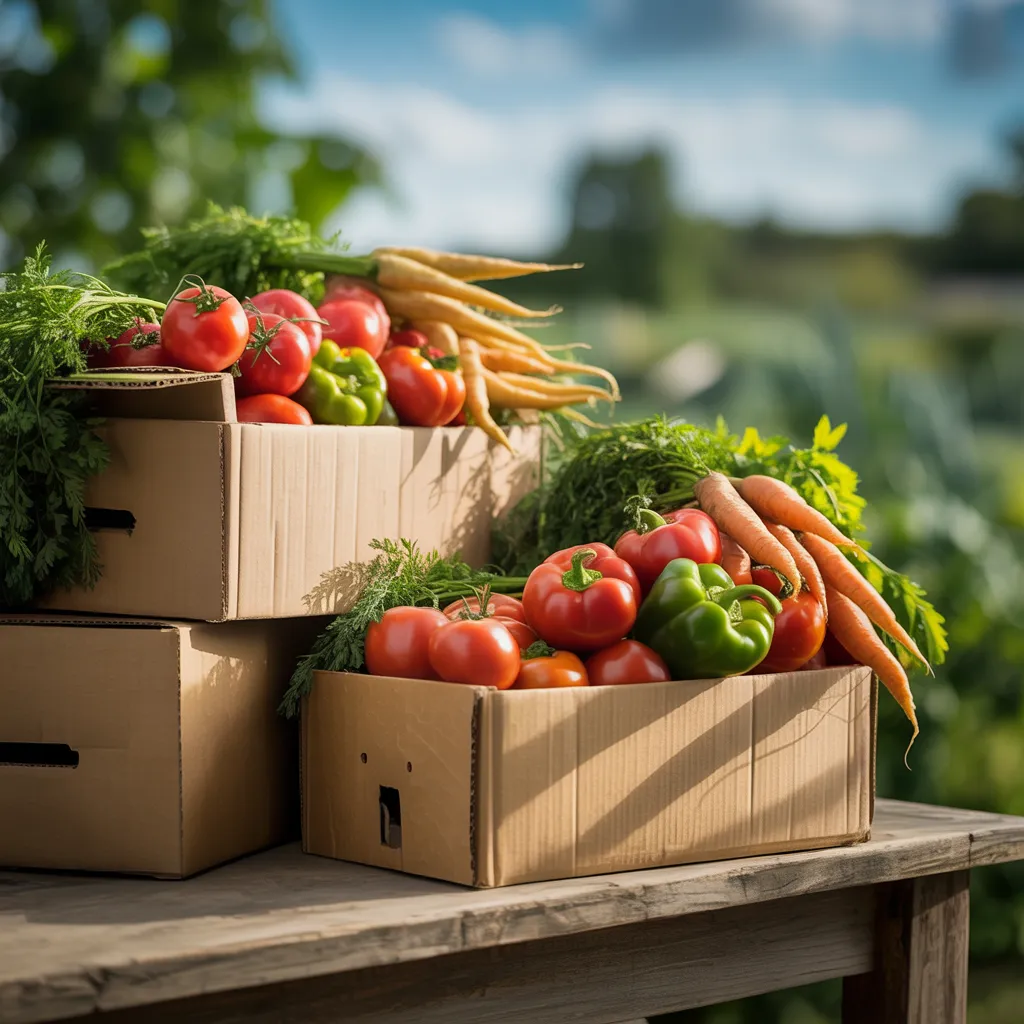
Handling and logistics considerations play a significant role in ascertaining the appropriate size and contour of custom agricultural packaging. The dimensions must accommodate the produce without surplus space, this would result in movement and deterioration throughout transport. Compact boxes facilitate easier care, while larger boxes may be necessary for bulkier goods. Moreover, ergonomic design is essential; grip areas or openings must be deliberately situated to allow for comfortable lifting and moving. The shape that makes up the box also affects nesting and balance, ensuring that items remain protected. In conclusion, careful consideration pertaining to such considerations boosts the streamlining of shipping, lessens goods damage, and preserves the comprehensive quality of the produce from farm reaching consumer.
Optimize Storage Space Usage
Effective storage space management copyrights upon determining the fitting size and shape of custom produce boxes. Specialists should factor in the layout specifications of the storage shelves as well as the types of vegetation being held. Standard-shaped boxes often solidify space efficiency, permitting for easier stacking and alignment. By contrast, nonstandard shapes can heighten visual appeal but may lead towards unutilized gaps if not thoroughly considered.
It's crucial to assess the inventory turnover rate; quick-selling products might benefit from smaller, easily accessible boxes. Furthermore, incorporating adjustable or modular designs can accommodate varying sizes of produce while optimizing shelf organization. By emphasizing functionality along with aesthetics, businesses can create a practical and visually appealing display that boosts both ease of access and item prominence.
How to Produce Images That Draw Focus?
Striking visuals can convert a simple custom produce box into a visual masterpiece that grabs focus. To achieve this, artists should start by picking a color palette that demonstrates the crispness and liveliness of the produce. Bold, eye-catching colors can trigger emotions of freshness and health, pushing consumers to take a deeper glance.
Strong typefaces is also essential; clear and legible fonts can successfully convey key details while boosting visual appeal. Moreover, using superior photographs of the goods can create an immediate connection, showcasing the item's caliber and enticing prospective customers.
Furthermore, introducing distinctive visual elements and patterns can help differentiate the brand in a crowded market. Consistency in design elements, such as logos and taglines, solidifies brand identity. Ultimately, a blend of inventiveness and precision in reference graphic design can greatly lift the impact of custom produce boxes, making them gain attention on shelves.
Eco-Friendly Practices for Custom Produce Box Packaging
A growing number of enterprises are adopting eco-friendly techniques for custom produce box packaging, understanding its value in today's environmentally conscious market. These initiatives often feature the use of biodegradable materials, such as recycled paper and plant-based plastics, which decrease environmental impact. Companies are also working on ethical sourcing, making certain that materials are obtained from responsibly managed forests or suppliers who prioritize environmental stewardship.
In turn, numerous brands are going with understated formats that reduce waste while still efficiently displaying their products. This technique not only appeals to environmentally aware consumers but also assists with lowering production costs. Moreover, businesses are steadily applying effective manufacturing processes that minimize energy consumption and waste generation. By implementing these eco-friendly practices, companies not only enhance their brand image but also contribute positively to the planet, aligning their operations with a sustainable future.
Testing Your Personalized Produce Box Design
Reviewing the construction of bespoke vegetable packaging is an important step in assuring they fulfill both aesthetic and performance-based requirements. This process generally involves examining factors such as durability, capacity, and practical use. First, working models need to be developed to evaluate the package's structural integrity, ensuring it can withstand shipment and preservation without affecting the produce.
Following this, user testing sessions can be executed to measure how readily the boxes can be unfastened, fastened, and stacked. Suggestions from target consumers can be invaluable in this period, delivering understanding of the box's practicality.
In addition, the design's visual appeal should be validated through survey groups or focus panel discussions, gauging audience responses to branding features, color selections, and full design presentation.
Ultimately, thorough evaluation enables designers to improve the box, ensuring it not only appeals to customers but also effectively protects and presents the produce within, maintaining the right balance between form and function.
Effectively Marketing Your Custom Produce Boxes
Successful marketing of personalized vegetable containers demands a well-planned strategy that highlights their distinctive advantages and value. Companies should focus on identifying their target audience, whether they are local farms, grocery stores, or individual consumers. Utilizing social networking sites can boost brand awareness, showcasing the boxes' design and practicality through engaging visuals and storytelling.
Furthermore, working alongside community leaders and farm operators can boost reputation and widen reach. Presenting promotions or discounts during seasonal peaks can pull in new customers and stimulate customer loyalty.
Additionally, highlighting sustainability and eco-friendliness in marketing materials can resonate with eco-aware buyers. Offering comprehensive details about the materials used and the benefits of tailored packaging solutions can further differentiate the product in a competitive market.
Ultimately, a thorough marketing strategy that blends web-based and community-based efforts will effectively publicize custom produce boxes, appealing to a diverse clientele and generating sales.
Regularly Asked Questions
What Are the Charges Linked to Custom Produce Box Development?
Costs related to custom produce box design include raw materials, printing, labor, and shipping. Additionally, design services and production minimums can impact overall expenses, leading to different prices based on specific requirements and manufacturing volume.
What Period Is Needed to Generate Custom Boxes?
Producing customized boxes usually takes two to six weeks. Factors that influence this duration include intricacy of design, availability of materials, and manufacturing capacity, each of which might impact shipment timelines and processing times.
Can I Order a Small Amount of Personalized Produce Boxes?
Yes, modest amounts of tailored vegetable containers can typically be purchased. Many vendors provide minimum order quantities, enabling businesses or individuals to acquire customized packaging options without needing to commit to large amounts initially.
What Common Pitfalls Should You Avoid When Designing Custom Boxes?
Frequent mistakes in custom box layout involve neglecting functionality, disregarding brand consistency, underestimating material quality, not considering target audience preferences, and overlooking environmental impact. Each aspect is essential for successful packaging and customer satisfaction.
How Can I Guarantee My Boxes Comply with Food Safety?
To guarantee boxes are food-safe, one must choose materials certified for food contact, avoid dangerous inks and adhesives, keep cleanliness during production, and frequently check for compliance with health regulations and safety standards.
Comments on “Packaging Insights to Cardboard Boxes for Fruit and Vegetables”